Caregiver Roles In Residential Care Homes
Quick Summary
Caregivers in residential care homes and RCFEs support residents with activities of daily living, observe and report changes, protect Residents’ Rights, promote safety, communicate with families and appropriate healthcare professionals, and provide person-centered emotional and practical support. Meaningful engagement is also central to the role: caregivers need to know each resident well enough to offer activities, movement, conversation, and daily experiences that are purposeful and appropriate. Structured training helps staff carry out these responsibilities consistently while supporting dignity, independence, and quality of life.
Understanding caregiver roles in residential care is essential for anyone entering a long-term community care home or RCFE. These settings use a social model of care rather than functioning as medical-service homes, so caregivers focus on nonmedical assistance, supervision, person-centered support, and quality of life. When a resident needs medical care, the home follows applicable procedures and coordinates with outside healthcare professionals or hospital care as appropriate.
Person-Centered Personal Care and Daily Living Support
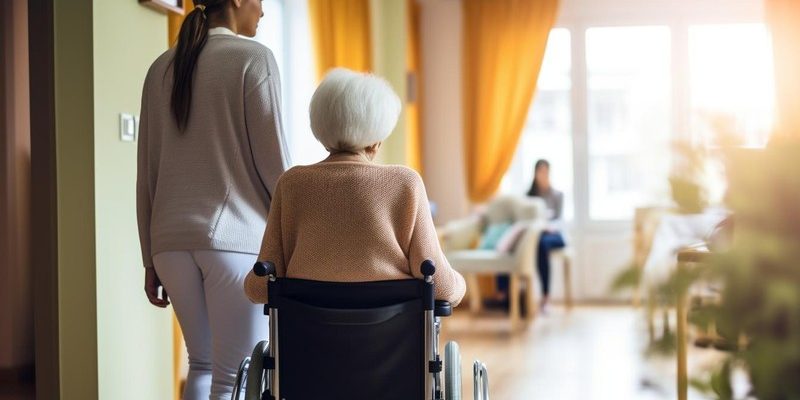
A significant portion of a caregiver’s day involves assisting residents with activities of daily living, including bathing, dressing, grooming, toileting, and mobility support. These tasks require not only physical skill but also sensitivity to each resident’s dignity and personal preferences, since many residents are adjusting to a loss of independence that can feel deeply personal.
Caregivers also play a central role in supporting nutrition and hydration, assisting residents during mealtimes, and noting changes in appetite or eating habits. Concerns should be reported promptly to the administrator or supervisor and, when appropriate, shared with an outside healthcare professional according to the resident’s plan and facility procedures.
Observing Changes and Reporting Concerns
Caregivers in social-model residential care are not responsible for making clinical decisions, but they are often the first to notice changes in a resident’s condition, such as increased confusion, changes in mobility, skin concerns, or shifts in mood and behavior.
Promptly and accurately reporting these observations to the administrator or supervisor is a key caregiving responsibility. When a concern may require medical evaluation, the facility can follow its procedures and involve an appropriate healthcare professional so the resident receives timely follow-up.
This responsibility places real weight on a caregiver’s training and attentiveness, underscoring why ongoing staff training remains essential throughout a caregiver’s career, not just during initial onboarding.
Emotional Support, Companionship, and Meaningful Engagement
Residents in long-term community care homes may experience isolation, grief, anxiety, or changes in independence, and caregivers often become a trusted source of emotional support and companionship. Conversation and a consistent, familiar presence matter, but person-centered care also means learning what helps each resident feel connected, respected, and involved in daily life.
Meaningful things to do are just as important as conversation. Caregivers should know each resident’s interests, abilities, routines, and preferences, then use creativity to offer physical, social, recreational, or everyday activities that are engaging and appropriate. The goal is not simply to keep residents busy, but to help them participate in a life that feels purposeful and their own.
Communication With Families and Healthcare Professionals
Caregivers frequently serve as a communication bridge between residents, their families, administrators or supervisors, and outside healthcare professionals when medical input is needed. This may involve sharing an appropriate update with a family member, reporting a change that needs follow-up, or making sure important information is communicated accurately between shifts. Clear, professional communication is therefore just as important as hands-on caregiving skills.
Maintaining a Safe, Respectful, and Compliant Home
Caregivers also contribute directly to facility safety and regulatory compliance, from following proper infection control procedures to correctly using mobility equipment and adhering to documented care plans. Facilities operating under state licensing requirements depend on every staff member understanding and following these protocols consistently, since lapses can affect both resident safety and a facility’s regulatory standing.
This is precisely why structured staff training matters so much in long-term care settings. Caregivers who understand not just what to do, but why specific protocols exist, are far better equipped to maintain a safe, compliant environment day to day.
How Training Prepares Caregivers for Residential Care Responsibilities
Given the breadth of responsibilities caregivers carry, from daily living support and meaningful engagement to Residents’ Rights, safety, communication, and regulatory compliance, thorough training is foundational. Community Training Connection helps long-term care professionals strengthen the practical knowledge and judgment needed to support residents consistently and respectfully.
Whether you are a facility looking to onboard new staff or an individual caregiver seeking to strengthen your own skills, Community Training Connection offers flexible training options built around the realities of long-term care work.
Why Residential Care Homes Depend on Well-Trained Caregivers
Facilities that invest in comprehensive caregiver training tend to see benefits that extend well beyond individual staff performance. Consistent training standards across a facility help residents receive the same high level of care regardless of which caregiver is on shift, reduce the likelihood of preventable incidents, and support stronger outcomes during state licensing inspections. Facility administrators who prioritize training as an ongoing investment, rather than a one-time onboarding requirement, often find it easier to retain quality staff and maintain a positive culture of care.
This is particularly important given the demanding nature of caregiving work, where burnout and turnover can be significant challenges. Caregivers who feel genuinely prepared and supported through quality training are often better equipped to handle the emotional and physical demands of the role over the long term.
Supporting Career Growth in Residential Care
Many caregivers view their initial role as a foundation for longer-term career growth within long-term care, whether that means moving into specialized care areas, supervisory positions, or administrative roles. A strong training foundation early in a caregiver’s career often makes this kind of advancement more achievable, since the core competencies learned in entry-level caregiving roles frequently translate directly into more advanced responsibilities.
Ready to strengthen caregiver knowledge and person-centered practice in your residential care home? Explore Community Training Connection’s education and professional-development resources for long-term care teams.
FAQs
What are the main responsibilities of a caregiver in a residential care home?
Caregivers typically assist with activities of daily living, observe and report changes, protect Residents’ Rights, provide emotional support, create meaningful opportunities for engagement, and communicate with families, supervisors, and healthcare professionals when appropriate.
Do caregivers in residential care homes need formal training?
Training requirements depend on the California facility type and the employee’s role. Licensed residential care homes must follow applicable state training requirements, and effective programs also reinforce person-centered care, Residents’ Rights, safety, communication, and facility procedures.
How does caregiver training support resident wellbeing and quality of life?
Well-trained caregivers are better prepared to notice and report concerns, follow safety procedures, respect Residents’ Rights, communicate clearly, and provide individualized support that promotes dignity, engagement, wellbeing, and quality of life.
Can caregivers advance into other long-term care roles?
Many caregivers use their hands-on experience as a foundation for advancement into supervisory, administrative, or specialized care roles, often supported by additional continuing education and certification training.
Is ongoing training required after a caregiver’s initial training?
Depending on the facility type and role, California requires initial and ongoing staff training. Continued education also helps caregivers stay current on regulations, facility procedures, Residents’ Rights, and person-centered practices throughout their careers.