
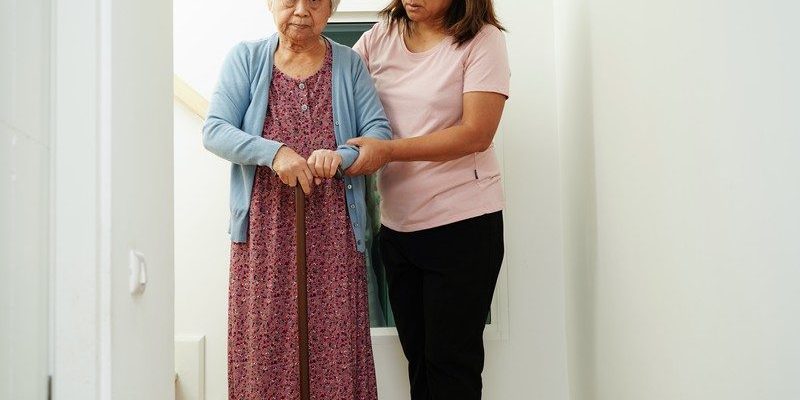
Getting Paid To Be A Caregiver: What You Should Know
Quick Summary
Getting paid to be a caregiver in California is achievable through several avenues, including in-home supportive services programs for family caregivers and professional employment within home care agencies or licensed residential facilities. Compensation and job stability generally improve with formal training, which employers increasingly expect as a baseline qualification. Caregivers who understand program eligibility, their workplace rights, and the specific duties expected of them are better positioned for steady income and long-term career growth in this expanding field.
Many people care for a family member or friend long before they ever consider it a job, which raises a practical question once the responsibilities grow heavier: is there a path toward getting paid to be a caregiver in California? The answer is yes, and there are several established routes depending on the relationship between caregiver and care recipient, the level of medical need involved, and the caregiver’s willingness to complete formal training.
At Community Training Connection, we work with caregivers pursuing paid roles every day, and this guide walks through the main options along with what qualifies someone for compensation.
Paid Family Caregiver Programs
California’s In-Home Supportive Services (IHSS) program allows eligible caregivers, including family members in many cases, to receive compensation for assisting an aging or disabled relative with daily activities such as bathing, meal preparation, and mobility support.
Eligibility depends on the care recipient’s income and medical need, and the application process typically involves an in-home assessment by a county social worker.
Beyond IHSS, some regional centers and Medi-Cal waiver programs offer similar compensation structures for caregivers supporting individuals with developmental disabilities or chronic medical conditions.
Each program has its own eligibility rules, so it is worth confirming details directly with the administering agency before assuming a specific arrangement qualifies.
Professional Caregiving as a Paid Career Path
Outside of family caregiving arrangements, professional caregiving is a growing and stable career field in California. Residential care facilities, home care agencies, and assisted living communities regularly hire caregivers for both entry-level and experienced positions, with pay often improving as caregivers complete additional certifications and specialized training.
Understanding the key duties and responsibilities of home care work gives prospective caregivers a realistic picture of the day-to-day expectations, which range from personal care assistance to medication reminders and companionship. Employers generally value caregivers who arrive with formal training already in hand, since it shortens onboarding time and reduces liability concerns.
Why Training Improves Pay and Job Security
Caregivers who invest in formal training typically qualify for higher starting wages, more consistent scheduling, and better advancement opportunities than those who rely solely on informal experience. Facilities are also required to meet specific staff training requirements under California licensing regulations, which means trained caregivers are simply more employable across a wider range of settings.
Reviewing California’s training requirements for new caregivers before applying for positions helps candidates understand exactly what certifications employers expect and where those requirements come from.
This preparation often shortens the hiring process considerably, since facilities can trust that a trained candidate already meets baseline compliance standards.
Knowing Your Rights as a Paid Caregiver
Paid caregivers, whether working through IHSS, a home care agency, or a licensed facility, are entitled to specific workplace protections, including fair wage practices and reasonable working conditions.
Understanding caregiver rights in California helps caregivers advocate for themselves and recognize when an employer is not meeting its obligations, which is an important part of building a sustainable, long-term caregiving career rather than one marked by burnout or exploitation.
Getting Started
For most people, the path toward paid caregiving begins with identifying which arrangement fits their situation, whether that is applying through IHSS for a family member, pursuing employment with a home care agency, or seeking a position within a licensed residential facility. From there, completing recognized staff training builds both competence and credibility, positioning caregivers for steadier income and greater career mobility over time.
Take the next step toward a stable caregiving career. Browse our training products and resources and get the certification employers are looking for.
FAQs
Can I get paid to take care of a family member in California?
Yes, through programs such as In-Home Supportive Services, eligible caregivers can receive compensation for assisting a qualifying family member with daily care needs.
Do I need formal training to become a paid caregiver?
It depends on the setting. Family caregiver programs may not require formal certification, but professional roles in licensed facilities typically require completed staff training.
How much can a professional caregiver earn in California?
Pay varies by region, employer, and experience level, with trained and certified caregivers generally earning more than those without formal preparation.
What is the difference between IHSS and working for a home care agency?
IHSS compensates caregivers, often family members, for supporting an eligible individual at home, while agency employment involves working as staff for a licensed business serving multiple clients.
Where can I get staff training as a caregiver?
We offer staff training programs designed to meet California’s licensing requirements and prepare caregivers for professional roles.