Severe Winter Storms; State of Emergency
Earlier this month, Governor Gavin Newsom declared a State of Emergency in response to severe winter storms across California. The emergency proclamation supports emergency relief efforts and permits CDSS to respond to the needs of licensed facilities and care homes by allowing waivers for any provisions of the Family Code, Health and Safety Code, Welfare and Institutions Code, and their accompanying regulations or written directives.
Unlike the State of Emergency declared for COVID-19, these waivers are not statewide waivers and must be requested by individual facilities and will be considered on a case-by-case basis.
If you need a waiver due to the recent severe winter storms, please send a written request with all the necessary information and supporting documents to your Regional Office, such as:
- evacuation orders
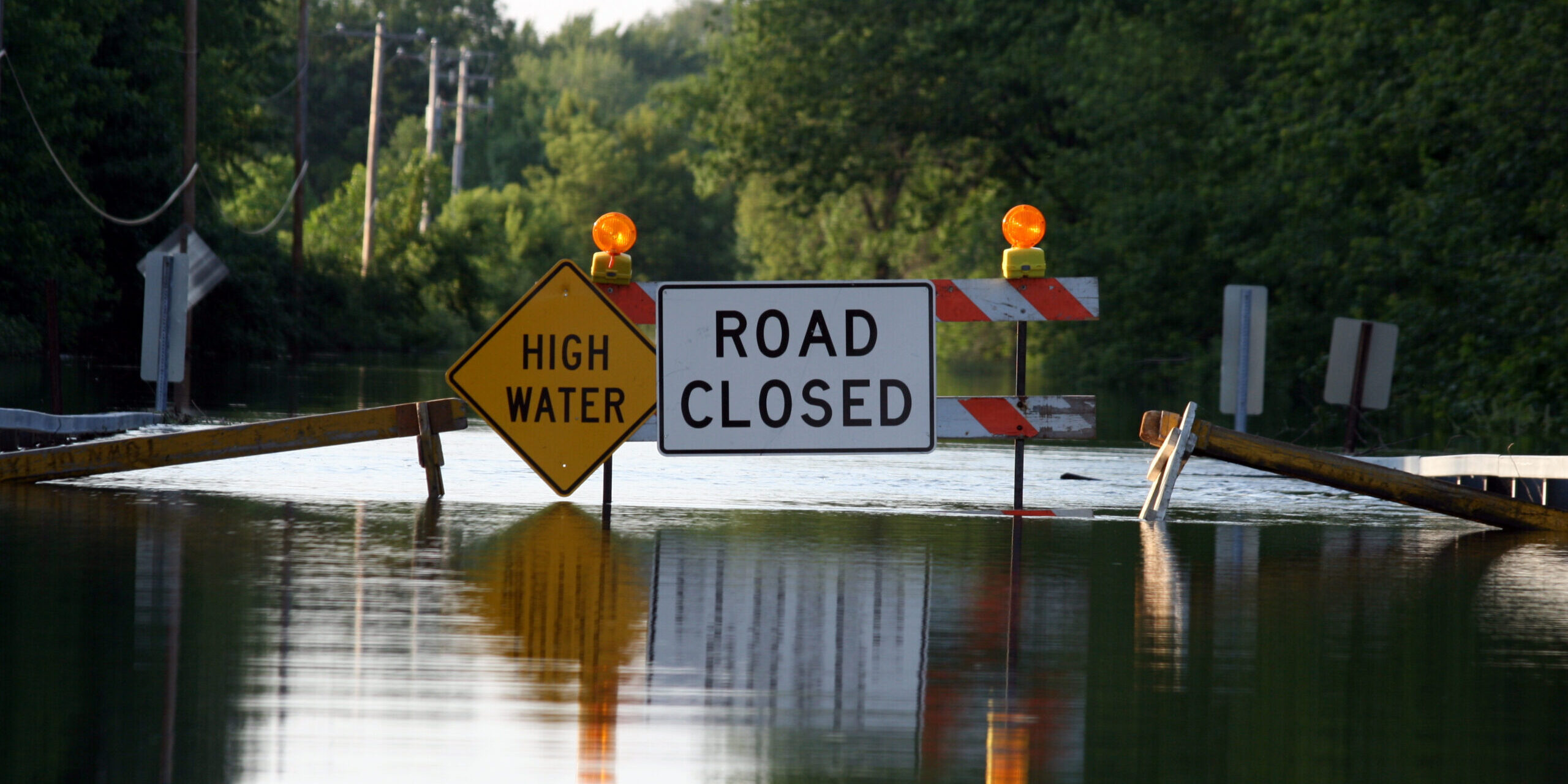
- road closure notices
- pictures of the damage
- any insurance claim paperwork
In your request, let them know how the storms affected your facility or home, how you plan to keep things safe and adequate, and how the waiver won’t harm anyone’s health. The Regional Office will notify you in writing if they approve your request and which terms or conditions apply. Keep in mind, waivers last only as long as necessary to address the storm’s impact. They expire when the Governor lifts the emergency order. At that time, CDSS will reinstate all regular licensing requirements. If you’re not sure who to contact, reach out to your local Regional Office or designated CDSS program contact.
CDSS may, at any time, issue a statewide waiver via Provider Information Notice (PINs). At this time, CDSS has not issued any statewide waivers for this emergency.
It is important to remain vigilant and listen to emergency officials as California continues to face severe winter weather. The National Weather Service is forecasting heavy rain and snow, strong wind, and the potential for additional flooding threats.
Californians are reminded to dial 2-1-1 or 3-1-1 to get help or ask questions.