
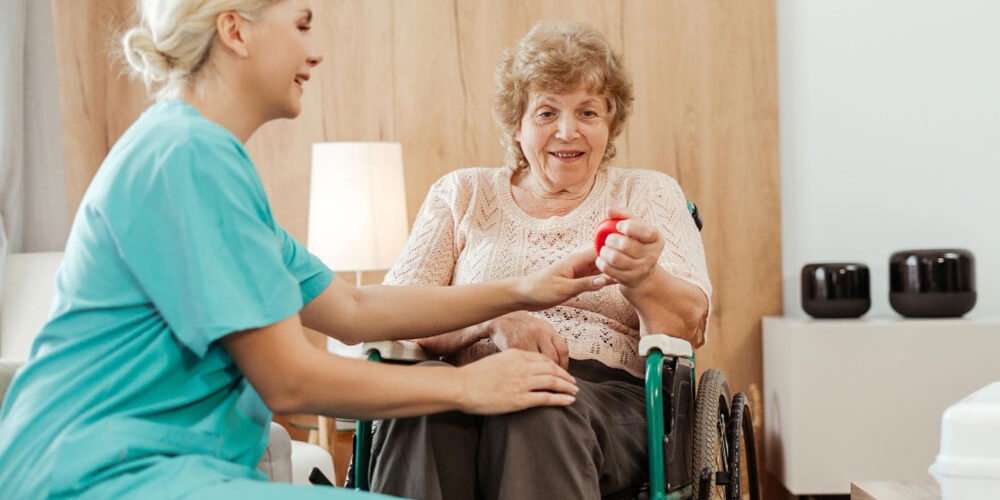
The Importance Of Empowering Caregivers
Quick Summary
Caregivers play a vital role in maintaining the well-being, comfort, and dignity of those receiving assistance. Empowerment through education, skill development, communication, and access to reliable resources can improve caregiving experiences while helping caregivers navigate challenges with greater confidence and effectiveness.
The decision to empower caregiver development has become increasingly important as caregiving responsibilities continue to grow across families, residential settings, and long-term care environments. Caregivers frequently balance emotional, physical, and practical responsibilities while helping individuals maintain safety, comfort, and quality of life through consistent daily assistance.
Strong caregiving outcomes are closely connected to knowledge, confidence, and preparedness in day-to-day situations. When caregivers have access to education and opportunities to strengthen their skills, they are better equipped to respond to challenges while maintaining a positive and compassionate approach to care.
Why Caregiver Empowerment Matters
Caregiving involves much more than assisting with daily activities because each situation may present unique needs, preferences, and challenges. Building confidence through learning and professional growth helps caregivers approach responsibilities with a clearer understanding of effective care practices while reducing uncertainty in unfamiliar situations.
Empowerment also contributes to greater independence in decision-making and problem-solving during routine caregiving activities. A caregiver who understands available resources, communication techniques, and care strategies is more likely to respond thoughtfully when circumstances change or unexpected concerns arise.
Education Builds Confidence
Knowledge serves as a valuable foundation for caregivers who are responsible for assisting individuals with varying levels of need. Staff training opportunities can strengthen understanding of safety practices, communication methods, personal care techniques, and other essential skills that contribute to positive caregiving experiences.
Confidence tends to grow when caregivers understand why certain approaches are recommended and how they can be applied in everyday situations. Continuous learning creates opportunities to expand practical knowledge while helping caregivers feel more prepared to handle evolving responsibilities within different care settings.
Communication Strengthens Care Relationships
Meaningful communication plays an important role in successful caregiving because it helps create trust and understanding between caregivers and those receiving care. Clear conversations can improve cooperation, reduce misunderstandings, and create a more comfortable environment for everyone involved in the care process.
Effective communication also extends to interactions with family members, healthcare professionals, and colleagues within care environments. Sharing information accurately and respectfully helps maintain continuity in care while contributing to better coordination among individuals involved in meeting a person’s needs.
Addressing Challenges Through Preparation
Caregivers regularly encounter situations that require patience, adaptability, and thoughtful decision-making throughout the course of providing assistance. Preparation through education and skill development helps caregivers approach these challenges with greater confidence while reducing the stress that can accompany unfamiliar circumstances.
A stronger understanding of caregiving principles can also contribute to improved organization and time management during daily routines. When caregivers have practical tools and knowledge available, they are better positioned to maintain consistency while balancing multiple responsibilities effectively.
The Value of Ongoing Professional Development
Caregiving practices continue to evolve as new information, techniques, and industry standards emerge across the long-term care field. Ongoing professional development allows caregivers to stay informed while expanding their knowledge in ways that contribute to personal and professional growth.
Continued learning can strengthen both technical and interpersonal skills, creating opportunities for caregivers to enhance the quality of assistance they offer. A commitment to growth also reflects a dedication to maintaining high standards of care and adapting to changing expectations within the profession.
Helping Caregivers Thrive Through Knowledge
Community Training Connection believes education plays a meaningful role in helping caregivers build confidence and strengthen their professional skills. Ongoing learning opportunities can support professional growth while enhancing knowledge and effectiveness in caregiving roles.
Contact us to explore training programs designed to encourage continued development throughout the caregiving journey. Our educational resources help caregivers build valuable skills that contribute to long-term success and professional advancement.
FAQs
Why is caregiver empowerment important?
Caregiver empowerment builds confidence, strengthens skills, improves decision-making, and helps caregivers manage responsibilities more effectively.
How can caregivers become more confident?
Education, practical training, ongoing learning, and access to reliable resources can help caregivers build confidence over time.
What role does communication play in caregiving?
Communication helps build trust, improve understanding, reduce misunderstandings, and strengthen relationships within caregiving environments.
Why is ongoing professional development valuable for caregivers?
Professional development helps caregivers stay informed, expand skills, adapt to changes, and maintain high standards of care.
How does caregiver education improve quality of care?
Education strengthens practical knowledge and caregiving skills, helping caregivers respond more effectively to daily responsibilities and changing needs.
What challenges can empowered caregivers handle more effectively?
Empowered caregivers are better prepared to manage communication concerns, behavioral changes, daily care tasks, and unexpected situations confidently.