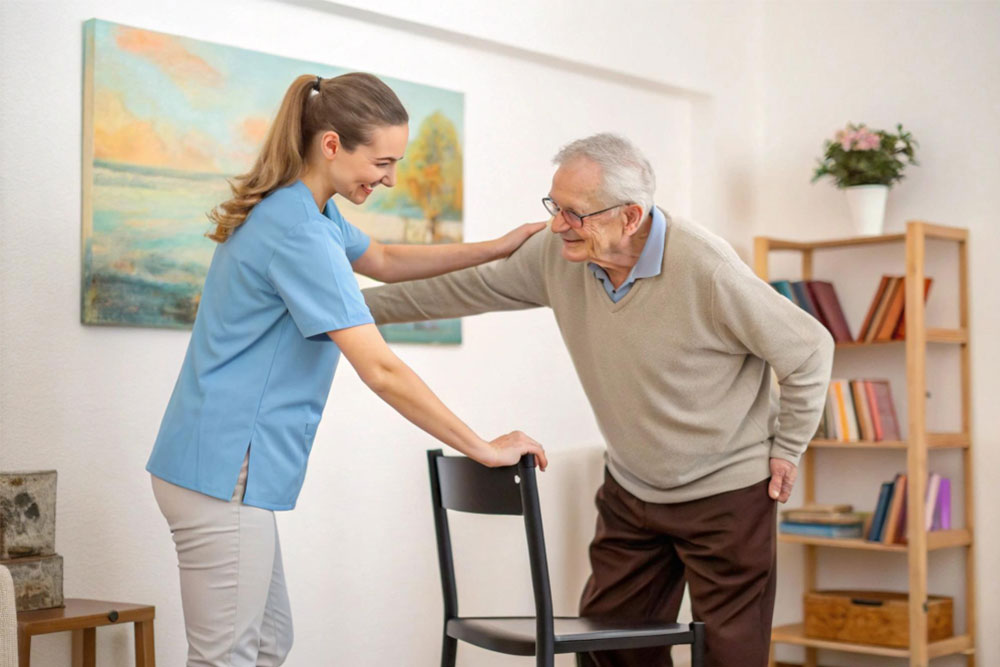
9 Must-Have Caregiver Skills For Adult Care Settings Delivering safe, respectful, and consistent care in adult care environments depends heavily on well-developed caregiver skills that go beyond routine tasks. Professionals entering or advancing in this field must understand how caregiver skills influence client outcomes, compliance standards, and workplace expectations. From communication to observation, each skill…
Why Caregiving Experience Matters In Senior Care Senior care environments demand patience, attentiveness, and strong interpersonal skills. Caregivers frequently face situations that require quick thinking, emotional awareness, and practical knowledge. Without sufficient experience, even routine caregiving tasks can become overwhelming for new professionals. Residents may depend on caregivers for daily living activities, companionship, and communication…
How To Find The Right Caregiver Training In California Working in a caregiving role requires patience, compassion, and professional knowledge. However, many individuals entering the field quickly discover that regulatory requirements and real-world care responsibilities can feel overwhelming. Caregivers in California must complete specific training hours, learn core competencies, and stay updated with evolving industry…
How Interactive Caregiving Improves Quality Of Life Aging often brings physical limitations, emotional challenges, and an increased risk of social isolation. Families and care professionals frequently worry about how to maintain dignity, engagement, and happiness for older adults who require assistance. Traditional caregiving models sometimes focus primarily on completing tasks, leaving little room for meaningful…
Caretaking Vs. Caregiving: Understanding The Key Differences Care roles in residential and long-term care environments often involve emotional commitment, patience, and constant interaction with vulnerable individuals. Yet many professionals struggle to distinguish caretaking vs caregiving, two approaches that appear similar but create very different outcomes for both workers and residents. When boundaries blur, care staff…
13 Core Duties Of Residential Care Workers Residential care environments rely on dedicated professionals who manage both practical and emotional aspects of daily living for vulnerable individuals. Understanding residential care worker duties helps facilities maintain consistent standards while improving residents’ quality of life. Care workers often encounter demanding schedules, regulatory expectations, and residents with complex…
What You Should Know About An RCFE License In California If you are interested in operating a Residential Care Facility for the Elderly (RCFE) in California, it is vital to understand the licensing process and requirements. An RCFE license is a certification granted by the California Department of Social Services (CDSS), specifically designed for…
RCFE Requirements Every Administrator Should Follow Opening and managing a Residential Care Facility for the Elderly (RCFE) in California requires thorough knowledge of the state’s regulations and standards. These laws are designed to protect elderly residents and maintain high standards of care while protecting their safety and well-being. Administrators must be fully compliant with…
How Much Does Caregiver Training Cost In California? In California, caregiver training costs can vary greatly depending on the course type, duration, and certification level. Understanding these costs will help you stay compliant with state regulations while maintaining a properly trained staff capable of delivering safe, compliant care. With the state’s strict requirements, it is…
From Planning To Opening: How To Start An Assisted Living Facility In California Opening an assisted living facility in California can be a rewarding and impactful venture. With the state’s aging population growing rapidly, the demand for quality care facilities is increasing. However, starting a successful facility requires more than just compassion for seniors.…